
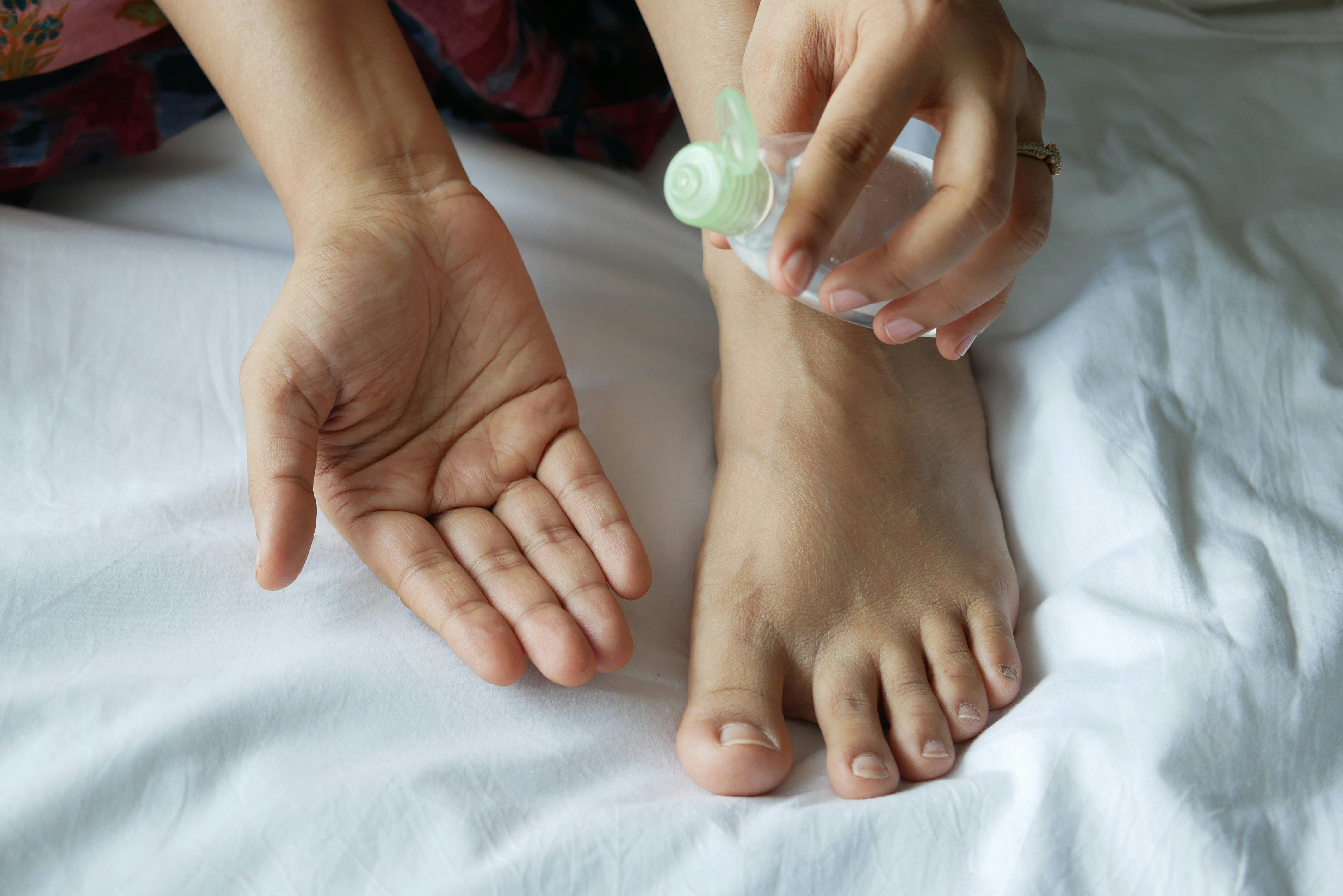

Expert Care for Diabetic Wounds at Saunders Medical Center's Diabetic Care Clinic
When most people think about diabetes, they think about managing blood sugar levels. However, one of the most serious complications of diabetes is often overlooked—wounds that heal slowly or fail to heal properly.
For people living with diabetes, even a small cut, blister, scrape, or crack in the skin can develop into a serious wound. High blood sugar levels can affect circulation and damage nerves, making it more difficult to notice injuries and allowing wounds to worsen before they are detected. Without proper treatment, these wounds can become infected and lead to significant health complications.
At Saunders Medical Center's Diabetic Care Clinic, Nicole Josephsen, NP-C and our care team provide personalized wound assessment, treatment, education, and ongoing support to help prevent complications and promote healing.
What Is Diabetic Wound Management?
Diabetic wound management is the specialized treatment and monitoring of wounds that are complicated by diabetes. People with diabetes are at a higher risk of developing chronic wounds, particularly on the feet and lower legs.
One of the most common diabetic wounds is a foot ulcer—an open sore that develops due to pressure, injury, poor circulation, or loss of sensation. If left untreated, diabetic foot ulcers can lead to severe infections, tissue damage, and, in some cases, amputation.
Early detection and prompt treatment are critical. Our team works closely with patients to identify problems early, develop treatment plans, and provide education that supports long-term foot health.
The Importance of Daily Foot Care
Daily foot care is one of the most effective ways to prevent diabetic wounds and complications.
People with diabetes should:
- Inspect their feet every day for cuts, blisters, redness, swelling, or changes in skin condition.
- Wash and dry their feet carefully, especially between the toes.
- Moisturize dry skin to prevent cracking.
- Wear properly fitting shoes and socks.
- Avoid walking barefoot.
- Contact their healthcare provider promptly if they notice any wounds, skin changes, or signs of infection.
Small problems can quickly become serious when diabetes affects circulation and sensation. Regular foot checks and routine diabetic care can make a significant difference in preventing complications.
Risk Factors for Diabetic Wounds
Several factors can increase the risk of developing diabetic wounds or slow the healing process, including:
- Elevated blood glucose levels (hyperglycemia)
- Neuropathy (loss of sensation in the feet)
- Poor circulation or peripheral vascular disease
- Previous foot ulcers or wounds
- Foot deformities
- Infection
- Obesity
- Smoking
- Limited mobility
Because sensation in the feet may be reduced, injuries can go unnoticed. In some cases, a diabetic ulcer can develop from something as simple as a small crack in the skin or pressure from an ill-fitting shoe.
Schedule an Appointment
If you have diabetes and are concerned about a wound, foot pain, numbness, or changes in your skin, don't wait to seek care.
Contact Saunders Medical Center's Diabetic Care Clinic to learn more about diabetic wound care or to schedule an appointment with Nicole. Early treatment can help prevent complications and keep you moving toward better health.
With education and support, you can manage diabetes and change your life. We are here to help.